For The New York Times: The Boston Tea Party Turns 250 and Raises 21st-Century Questions
How does the most famous act of politically motivated property destruction in American history speak to our own polarized moment?
Read the full story here | Reporter: Jennifer Schuessler | Photo Editor: Erica Ackerberg
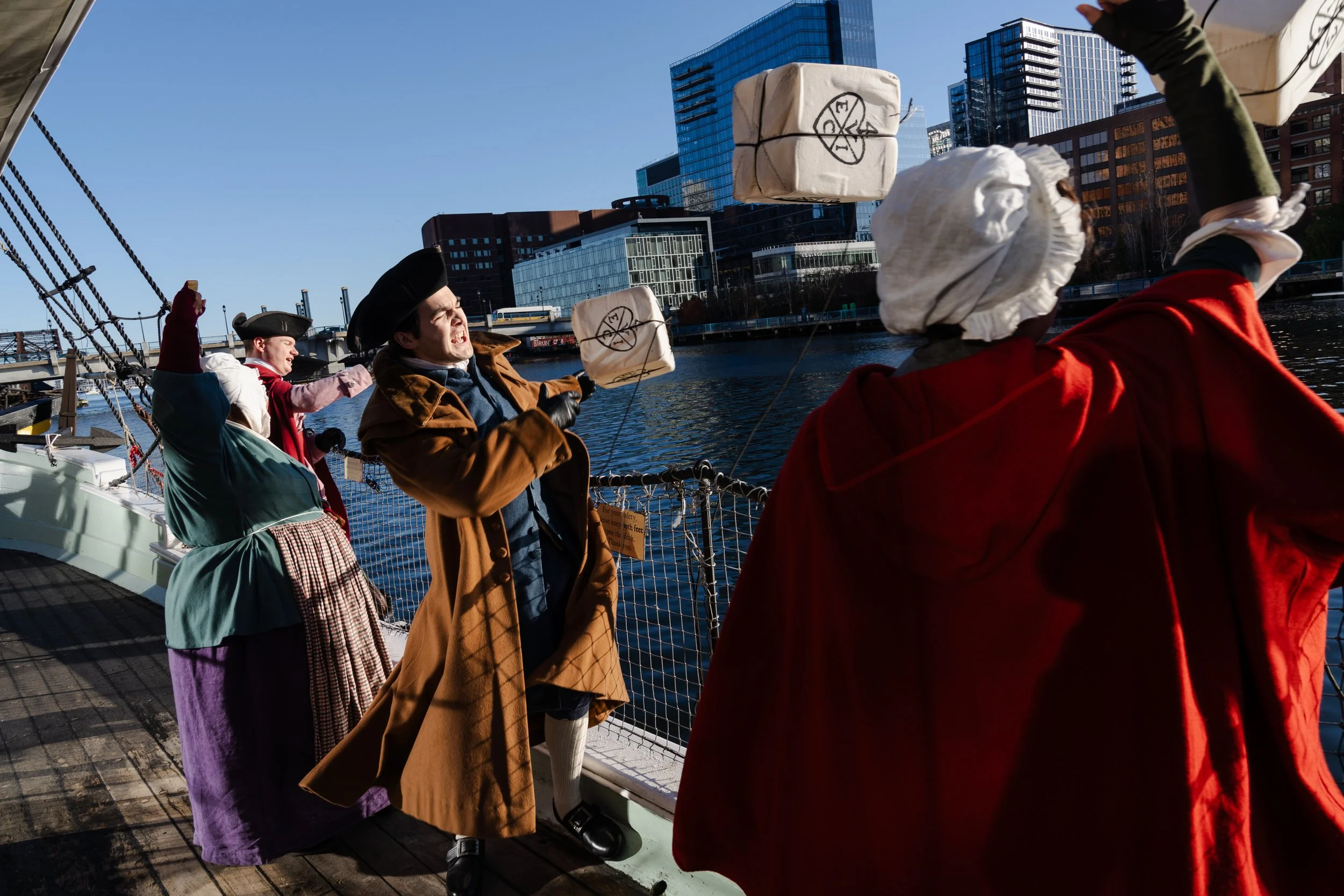
Costumed re-enactors at the Boston Tea Party Ships and Museum in Boston, a tourist attraction that will host part of the 250th anniversary of the event on Dec. 16. 2023.
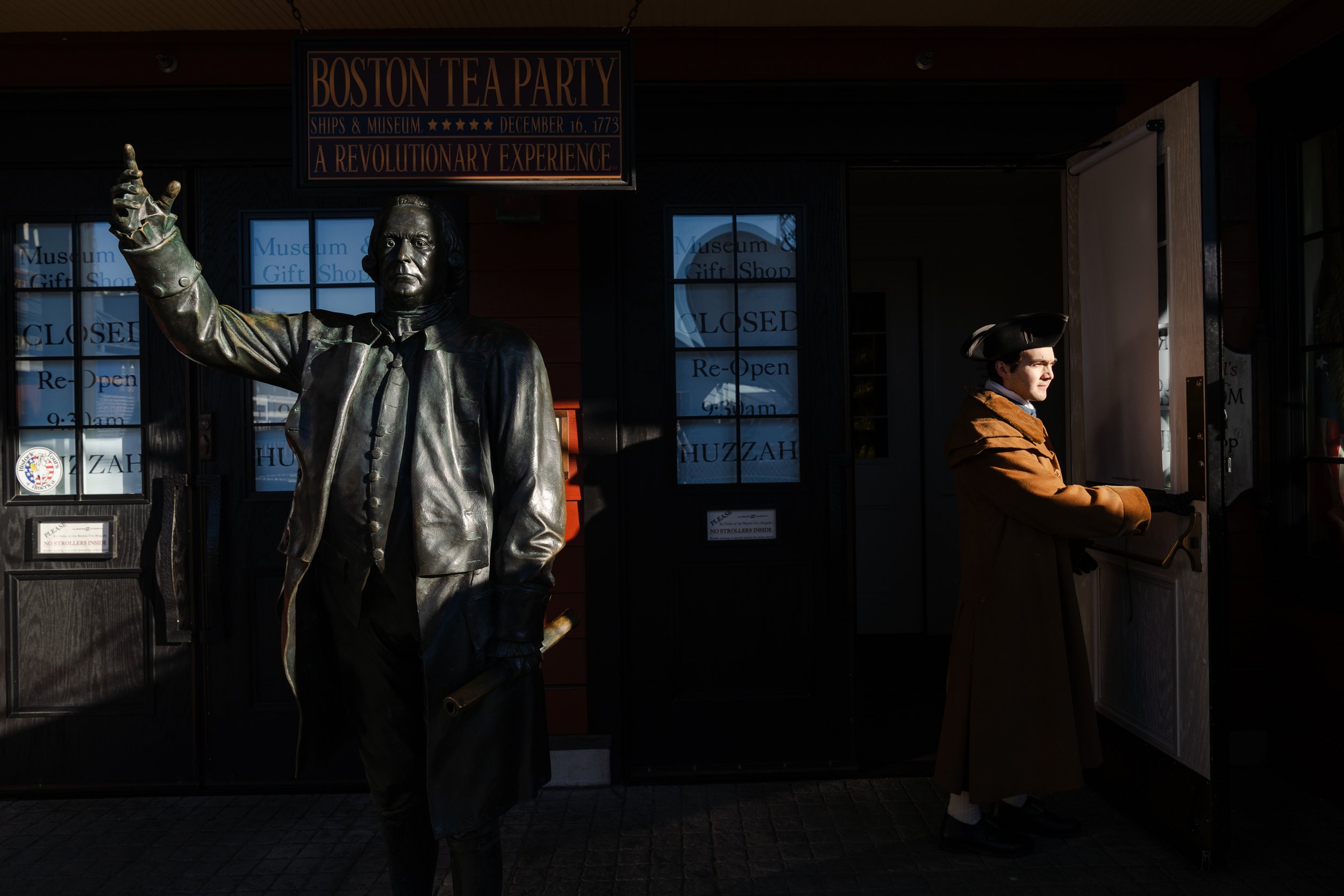
A costumed interpreter at the entrance to the Boston Tea Party Ships and Museum, near a statue of Samuel Adams, the patriot leader who helped organize the Tea Party.
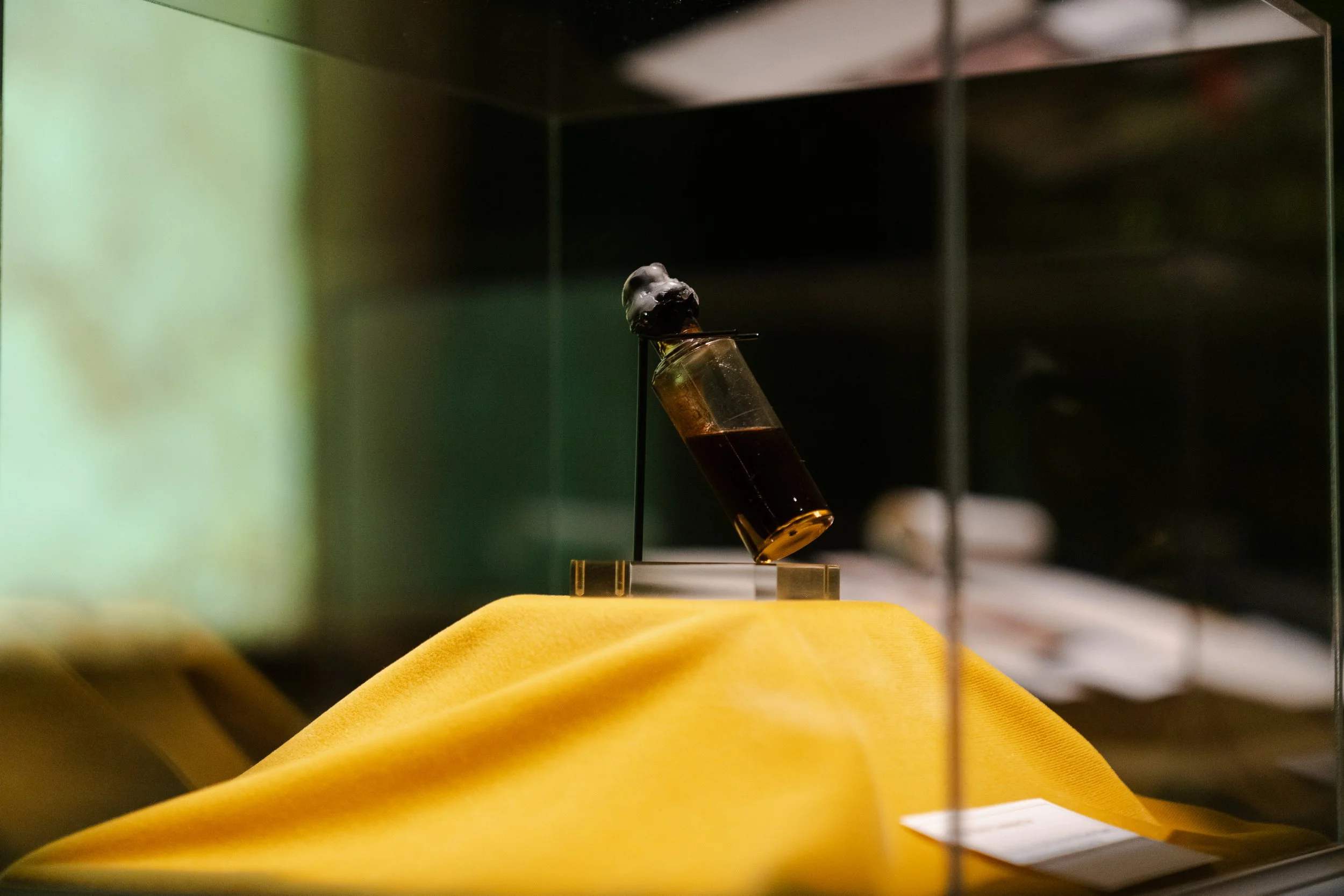
A vial of tea reputedly brewed from remnants recovered after the Boston Tea Party, on view at the museum.
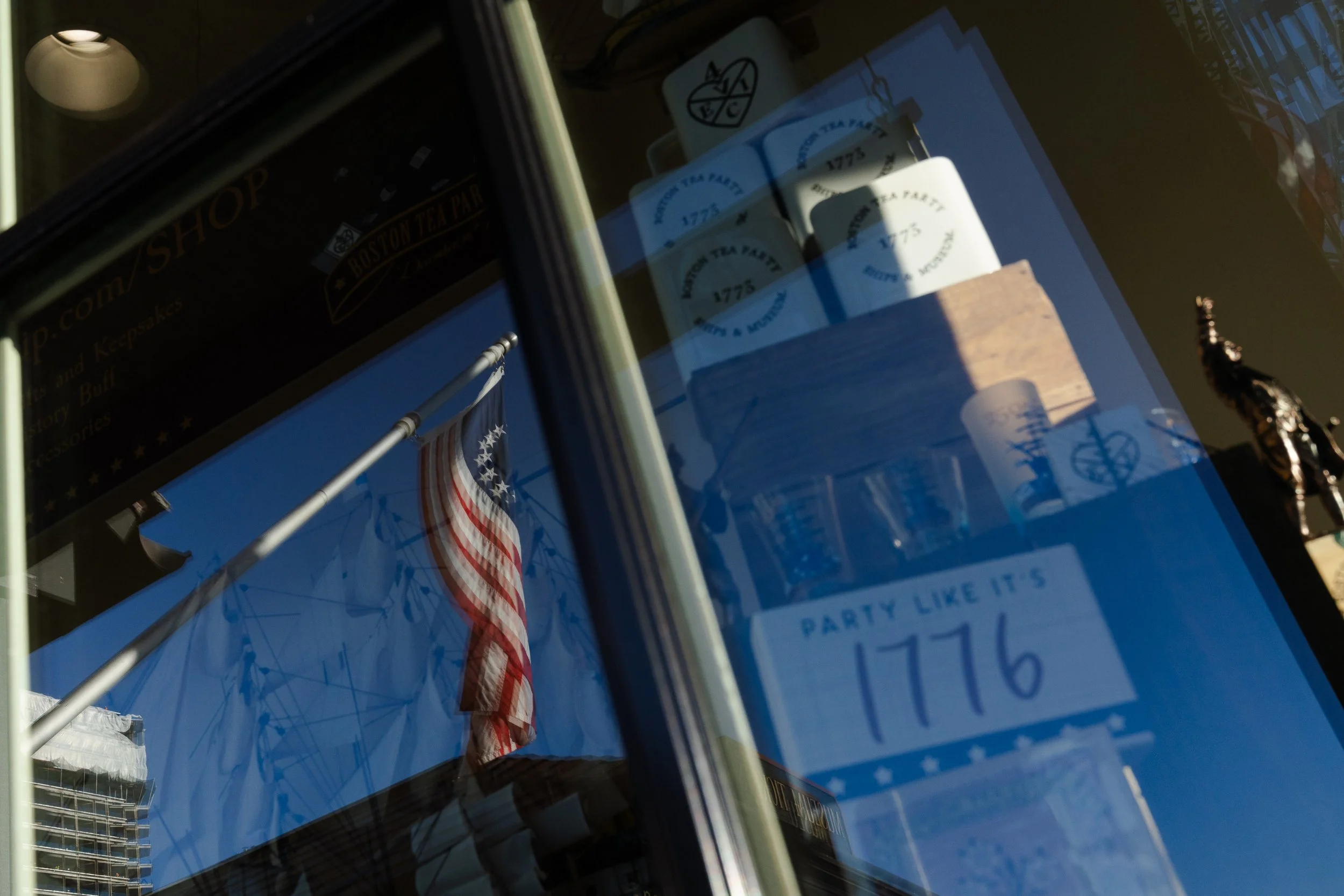
Memorabilia on view at the museum, a tourist attraction featuring replicas of the three original vessels where tea was tossed.
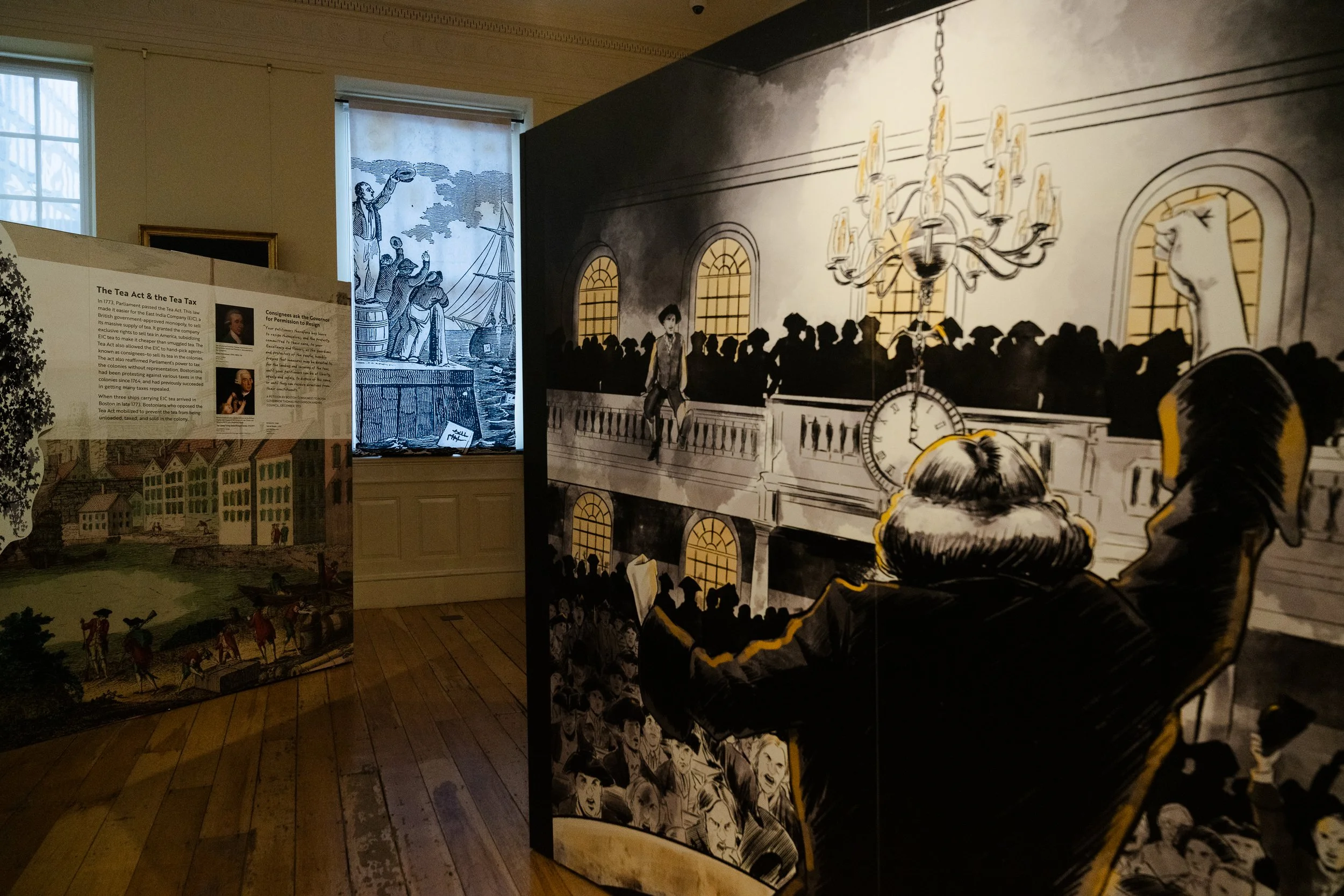
“Impassioned Destruction,” an exhibition at the Old State House in Boston, revisits the Boston Tea Party and other instances of politically motivated property destruction in American history.
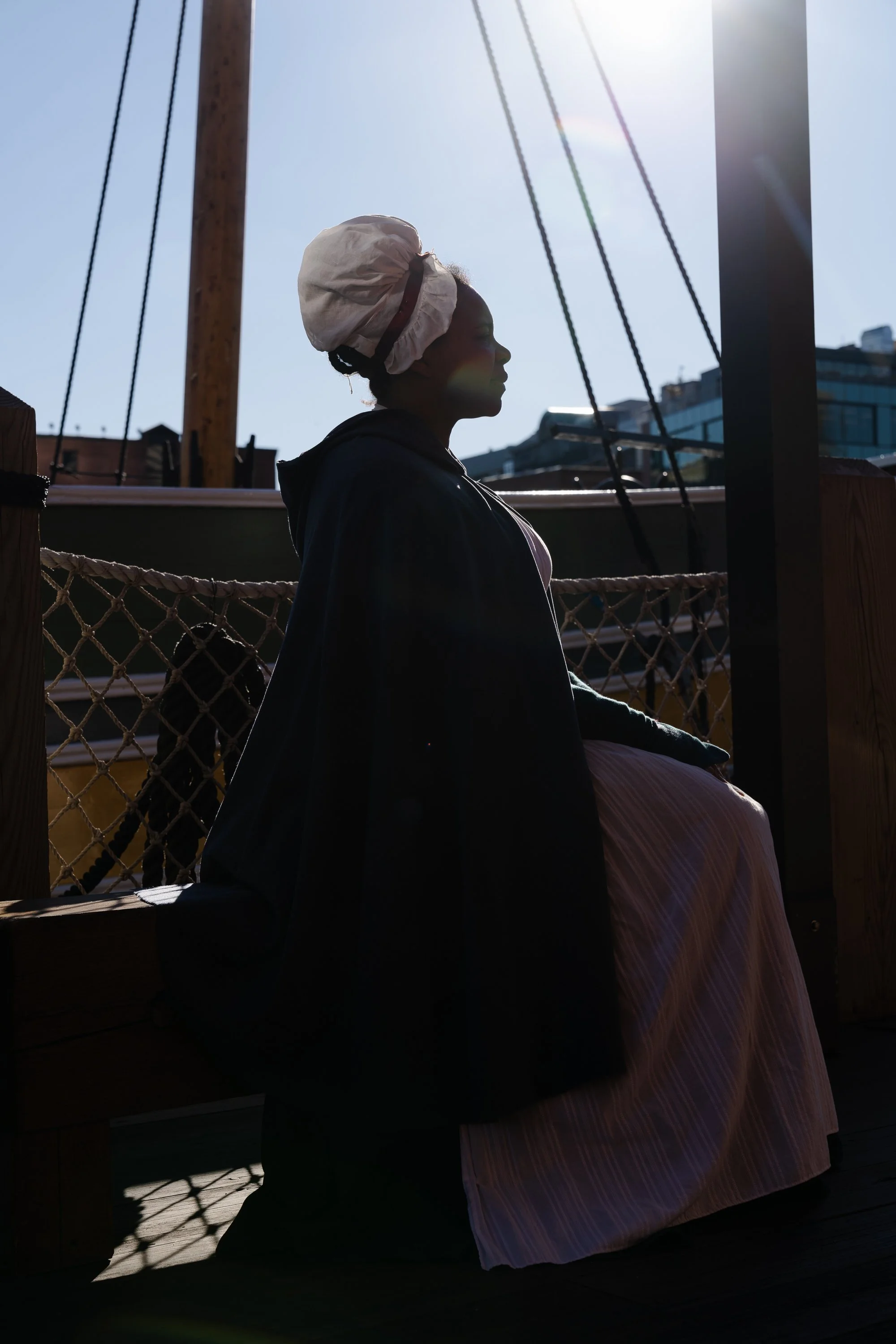
Cathryn Philippe, an interpreter at the Boston Tea Party Ships and Museum who portrays Phillis Wheatley. The year of the Tea Party, Wheatley, a Bostonian, became the first American of African descent to publish a book.
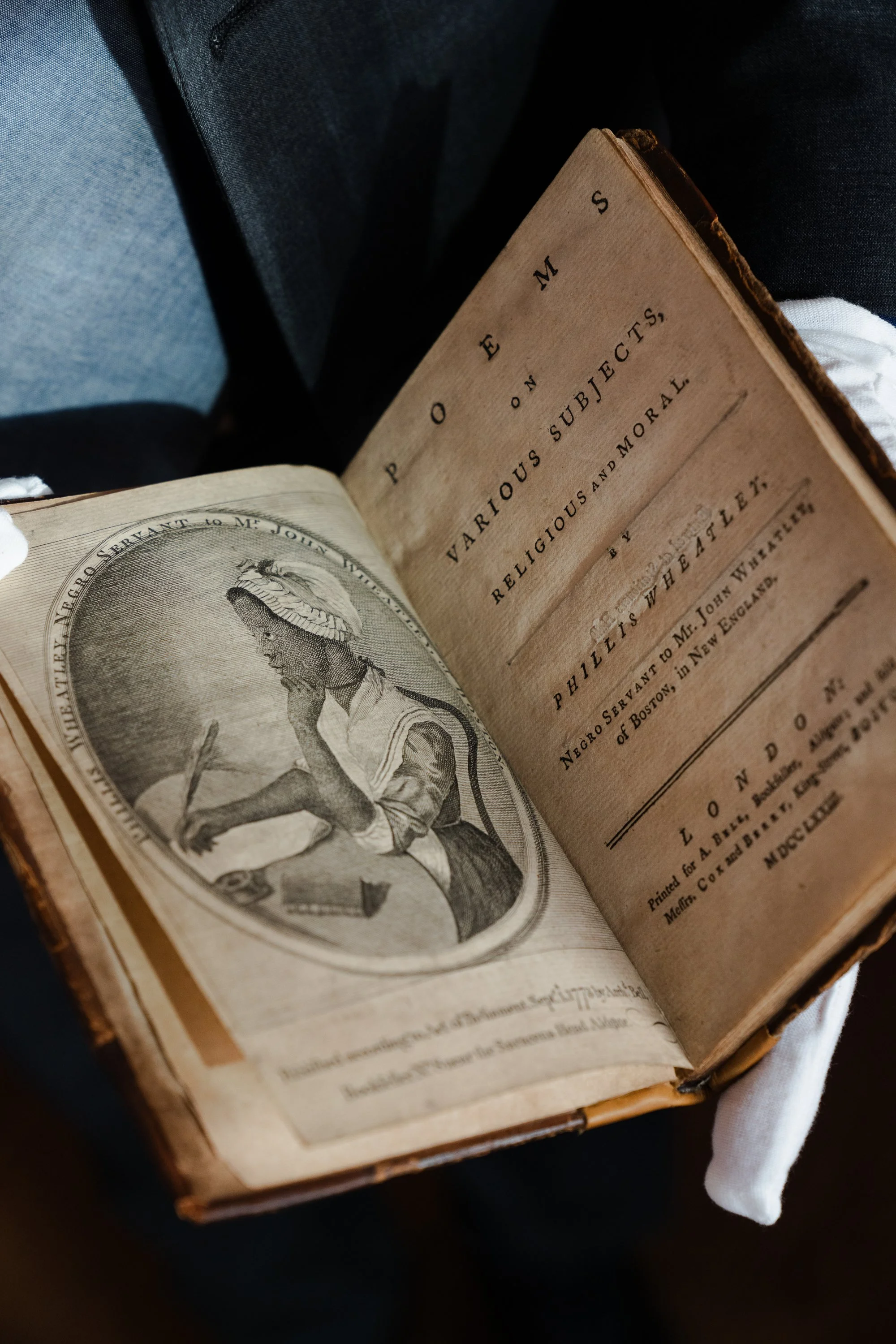
Poems on Various Subjects, Religious and Moral, a book by Phillis Wheatley, the enslaved African American poet whose famous first book was on the Tea Party ships is displayed at the Boston Tea Party Ships & Museum in Boston, Mass.

The last section of the exhibition looks at the riot at the U.S. Capitol in Jan. 6., inviting visitors to consider what it does, or doesn’t, have in common with the Boston Tea Party.
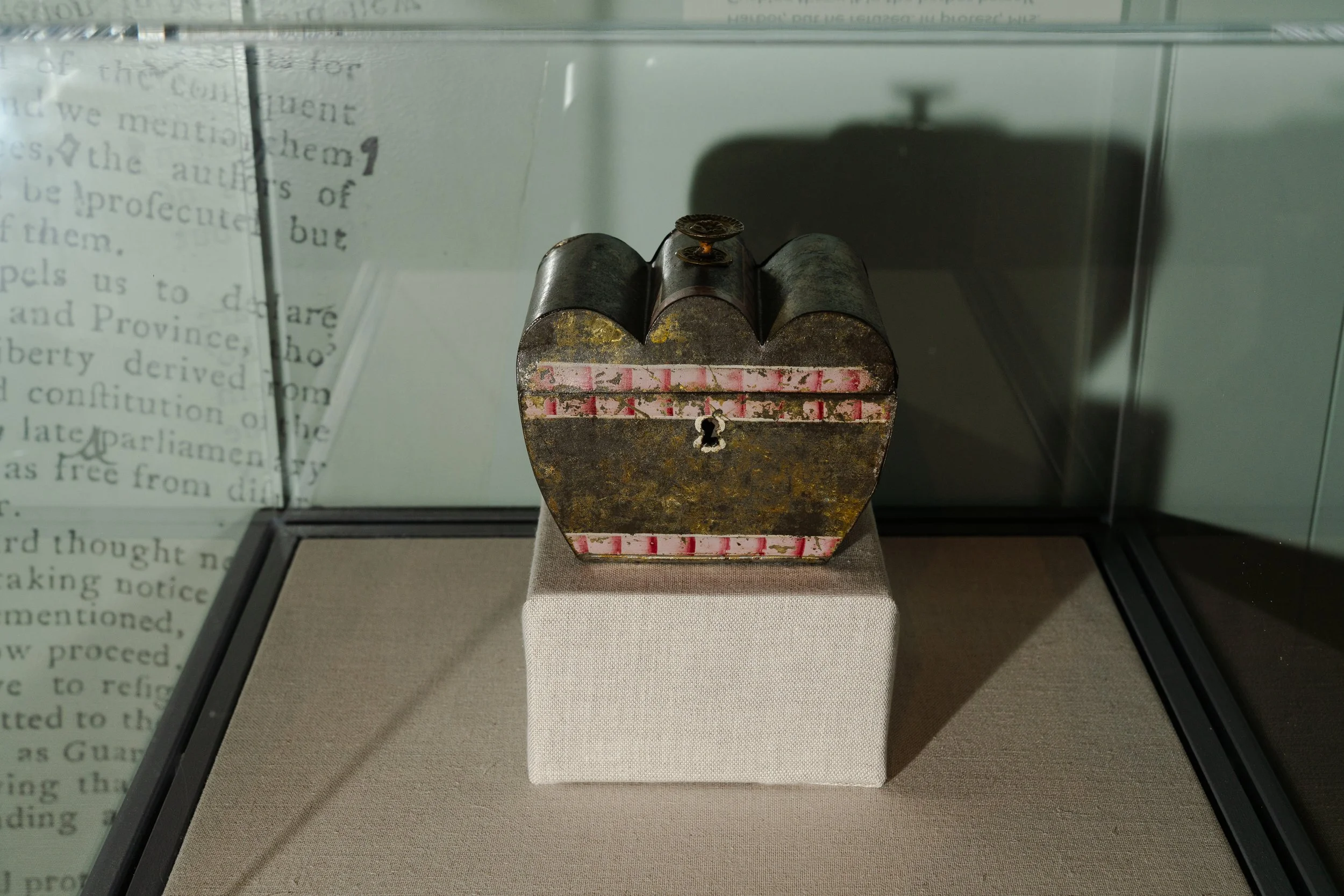
An 18th-century tea caddy on view at the Old State House. Its contents were reputedly thrown into Boston Harbor the day after the Tea Party by a woman whose husband refused to do it himself.
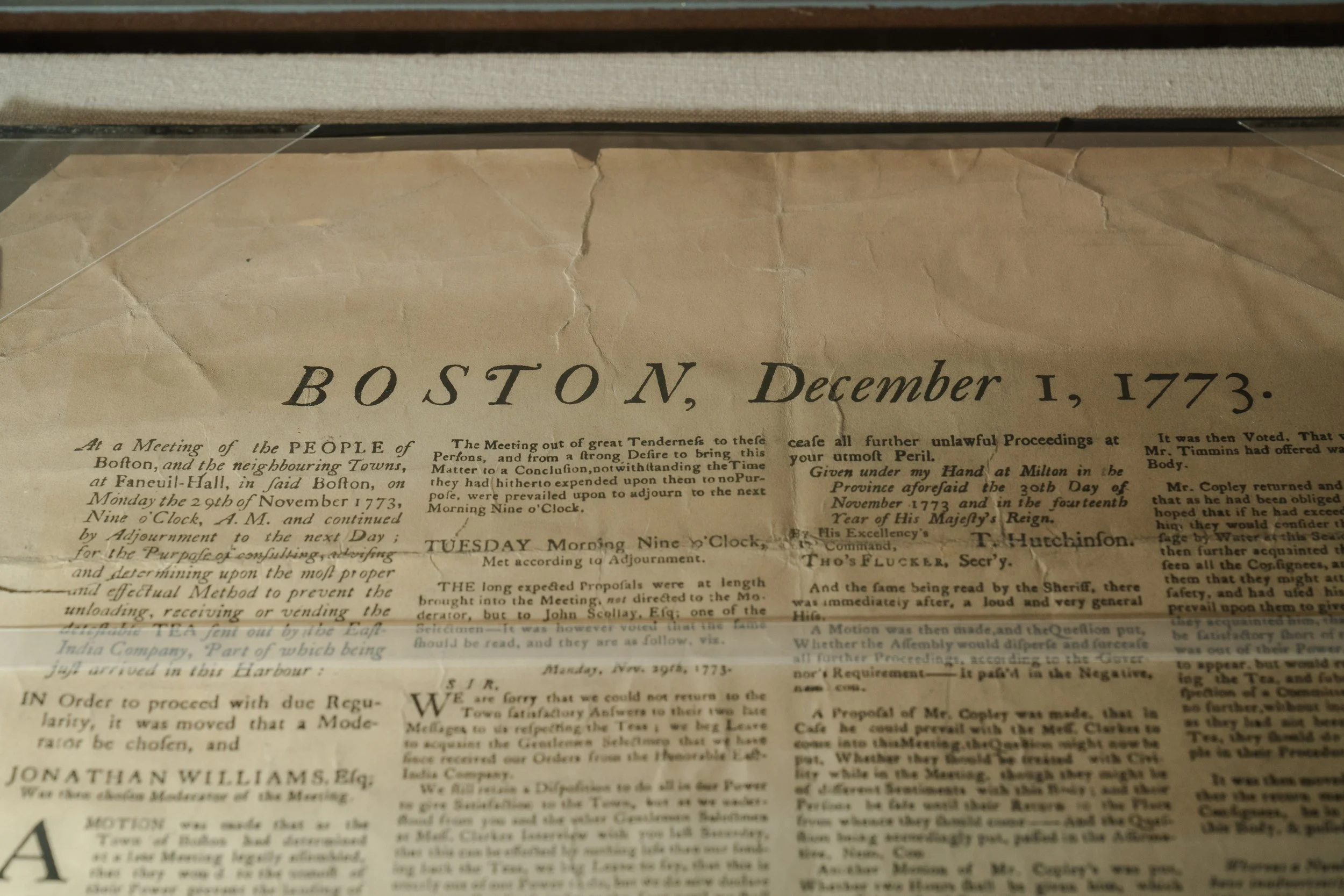
A heliotype copy of meeting minutes from 1773 relating to the vending of tea is displayed in an exhibit called Impassioned Destruction: Politics, Vandalism, and the Boston Tea Party at the Old State House in Boston, Mass.
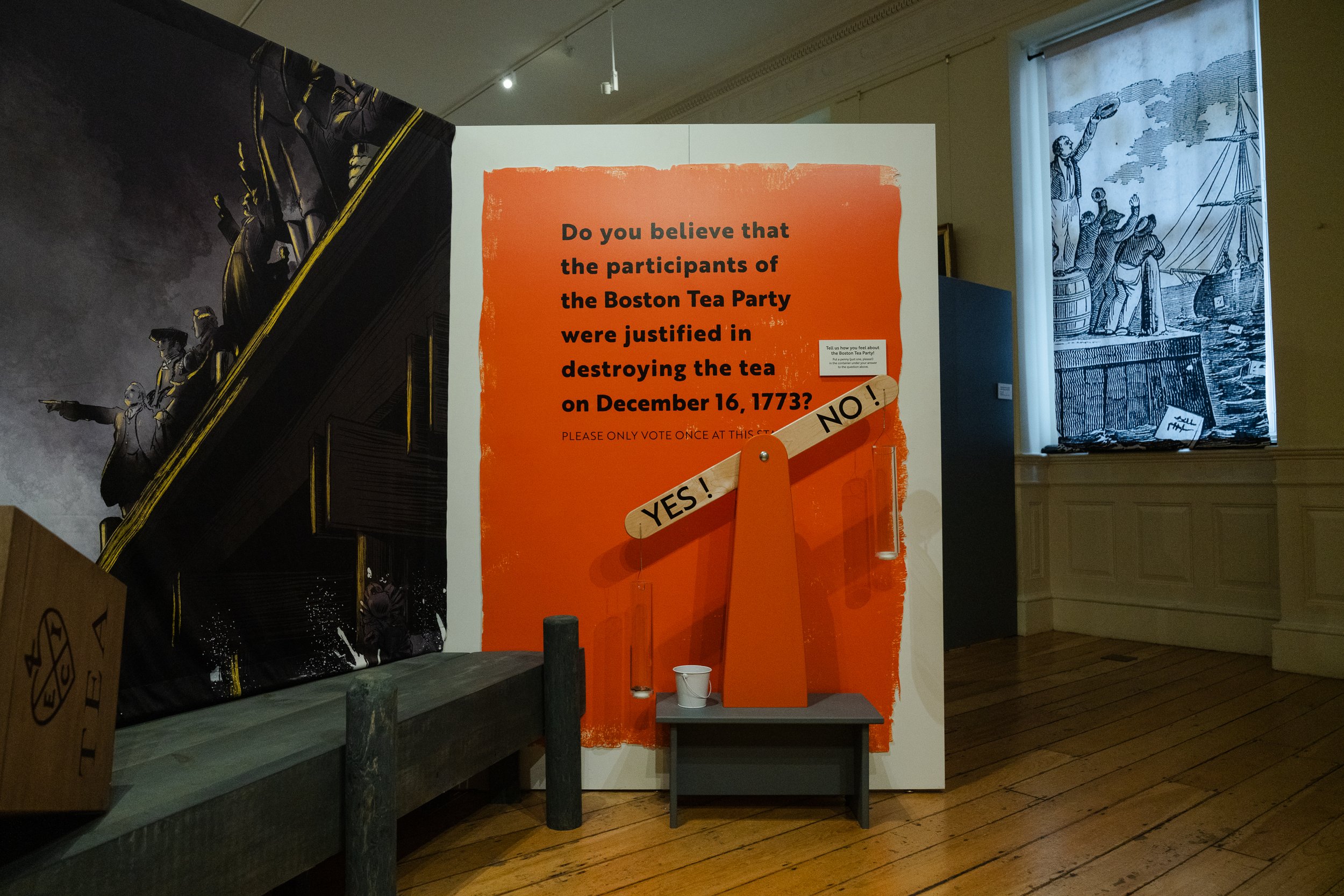
At various points in the exhibition, visitors are invited to weigh in on whether the participants in the Boston Tea Party were justified in destroying property.